
Who Plants First? How a Luo Cultural Practice Is Shaping Food Production in Siaya
In Siaya County, the rhythms of the seasons are deeply woven with tradition. Among the Luo communities here, the question of who plants first isn’t just about agriculture it’s a cultural injunction passed down generations. Rooted in beliefs about prosperity and ancestral approval, this practice dictates the order in which individuals begin sowing crops at the onset of the rainy season. As climate variability pressures farming outcomes, this customary rule is attracting scrutiny: is it helping preserve identity or hindering food production?
If you delay, you lose
In the farming village of Kona Mbaya Ugunja, 27-year-old Bridgit Achieg’ recalls how the tradition has been;
“This is a tradition that has always been there since we were young, an elder planting first, I also just have to follow it for fear of repercussions that are there if I don’t adhere to it”
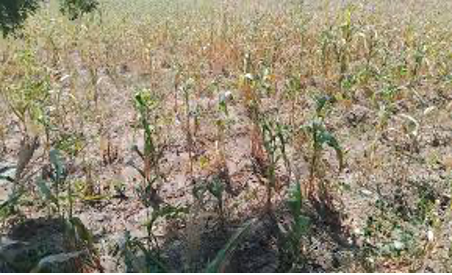
Brigit recounts losses she has got as a result of adhering to this culture. She always has to wait for her mother-in-law to initiate planting on the onset of rainy seasons. But sometimes, the mother-in-law is either not ready or missing in action, so she has to wait and look desperately as the rain fades away.
“It has costed me, she is a drunkard so sometimes during planting seasons finds her drunk, mostly in the drinking dens unbothered by the rains that could be dwindling away. Bridgit says.
“The worst case was when I had planted my maize farm did well, and you know even in harvesting she (Mother in law)should be the one to take harvest home first, but there was this time she wasn’t around for like a month, I had to wait as the rais were destroying my crops in the field” She adds.
Following the frustration from a number of farmers mostly young people, some of them have abandoned farming for business.
Willis Omondi, 34-year-old business man in Ugunja recounts a number of times he was in conflict with his own father on the issue of timely planting at the onset of rains.
“Its no longer like the old times that one could tell when it was about to rain, nowadays rains just appear before you know it its dry again. But my father could not see this, he stuck to the tradition, following a long process of cultural requirements pertaining planting season. By the time he’s ready the rains are gone.”
Willis says that as a committed farmer, he used to invest a lot hoping that in the end he would get returns, but season in season out it was just constant losses and disappointments.
“You see, some of us, farming was like an investment that we expect returns. But for our elders, they just plant for local consumption, so they just do simple farming, but not for us, so they can’t understand” Willis Says
“So, for that I made a deliberate move to get out of our home in Got Nanga Ugenya to come do business, this is my shop, there are no rules on how I should operate it. Every morning, I just come, open it and whatever comes, that’s mine.” He adds
For generations this belief fostered community cohesion. But today, local farmers are questioning its agricultural relevance, and on this Willis says that perhaps its time people think on how to start operating without inclusion of these practices.
Mrs. Bridget also shares the same thoughts, and plans to be among the first to abandon these practices.
“I can’t wait to have my home, I won’t follow some of these practices, I want my children to also be free someday to do their own things without being attached to my deeds.” She adds
A cultural Habit
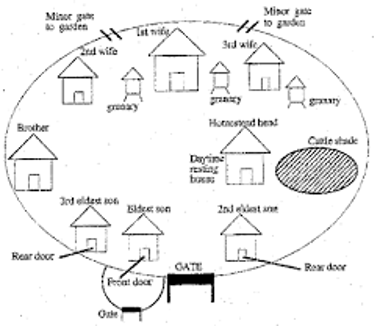
For decades, this particular culture has always been practiced where the head of the homestead would plant first followed by their sons. If it’s a polygamous home, the first wife’s house would be attended to followed by other wives. And it would happen even when it comes to bringing back home farm harvest, always the head of the homestead firs.
In Sega Ugenya, we meet Peter Adhiambo,78 years old who explains significance of this particular culture.
“This was mainly done to bring harmony, respect and blessings to our farms. You know The heads and elders are the custodians of blessings. Mr. Adhiambo says as he giggles.”
Apparentlyi,whoever plants first calls upon the ancestors and the rains to bless the season. If done out of order, misfortune and poor harvests may follow.
Research Report
A recent research report by the Siaya Agricultural and Cultural Practices Institute found that households that delayed planting due to waiting for ceremonial permission planted on average 10–15 days later than those that determined planting time based on rainfall patterns. This delay corresponded with a 12% reduction in average yield for key staples like maize and beans.
According to the report, while the cultural practice strengthens community bonds and reinforces identity, it can conflict with optimal agricultural timing particularly under changing climatic conditions.
Victor Omondi, a technician and officer at Tembea Future Institute sees both the value and the challenge.
“Cultural practices are important for identity and cohesion. But when they influence critical decisions like planting dates, we need to find ways to adapt tradition without eroding it.”
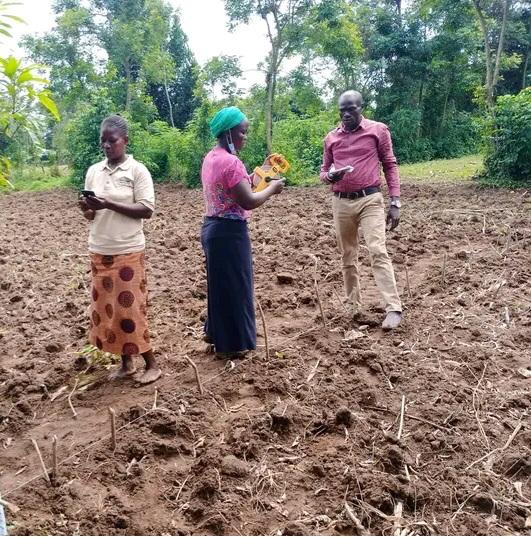
Mr. Victor Omondi in a recent farmers engagement on maintain soil health
Omondi says that as an organization they are piloting community dialogues that bring elders, women, and youth together in a program dubbed good agronomy practices, that will champion for other crops that aren’t much affected by climate change.
“Climate change is real; we cannot depend on how things used to be done. We’ll enlighten other farmers to consider planting other drought resistant crops like sorghum, so even those who wait can plant it and still get something from their work. He says.
Government officials also echo similar concerns. Evans Odhiambo an agricultural officer based in Ugunja says there could be ways of farmers doing good productive agriculture without getting in conflict with the culture.
“Culture is good, its something that has always been there, we cannot fight it” He says

He challenges farmer to change their mindset and bring in new set of crops that are not culture bound
“You see, if you try something like planting Kales or Sunflower, which we are promoting here in Siaya, you’ll get good returns and be able to buy maize, and in the end, no conflict with the elders” Evans says.
Also, as a ministry, he says that they have started holding pre-season agricultural forums, where scientific forecasts are shared before elders perform planting blessings. This hybrid model aims to harmonize tradition with practical needs.
Conclusion
The question of who plants first in Siaya is more than a cultural curiosity. It is a living practice with real implications for food security and livelihoods. What once served as a unifying ritual now intersects with unpredictable weather and the pressing need for timely planting.
As farmers like Willis and Brigit navigate these shifts, and as organizations and officials foster new dialogues, there is hope that tradition and innovation can grow together. In the fields of Siaya, the seeds of tomorrow may well be sown at the intersection of respect for heritage and adaptive, forward-looking agriculture
Comments