
The Quiet Discrimination Facing Workers Living with HIV in Siaya County
A job lost after a medical Test
When Ouma (not his real name) secured casual work at a rice farm in Yala Swamp, he believed his financial struggles were finally ending.
Two weeks later, he was dismissed without explanation. “They told me the position was no longer available,” he recalls. “But another worker later told me the supervisor had seen my clinic card during a medical checkup.”
Ouma believes his HIV status cost him the job. With no written contract and no proof, he had nowhere to report the incident.
His story is not unique, it reveals a largely invisible form of discrimination unfolding across informal workplaces in Siaya County.
Kenya has a strong legal protection against HIV discrimination yet interviews with workers, health providers and community advocates suggest stigma has not disappeared. Instead, it has become harder to detect.
Unlike formal employment settings, most rural workers operate in farms, markets, small shops, as fisher folks and in transport sectors. Here, hiring decisions are verbal, dismissal is immediate and accountability is rare.
A community health promoter in Ugunja says many clients report workplace challenges but refuse to pursue complaints. “People fear exposing themselves more,” she explains. “They choose silence over justice.”
The Evidence Gap
Official records show relatively few reported workplace discrimination cases but experts warn this does not reflect reality.
Health rights advocates say underreporting is driven by fear of stigma, lack of legal awareness, informal employment structures and economic vulnerability. “Most rural workers cannot risk losing income while pursuing a case,” says a legal aid volunteer working in Western Kenya.
Mandatory Testing Allegations
Interviews conducted during this investigation revealed claims that some employers still request medical tests before hiring sometimes informally.
Workers described being asked to present medical documents or undergo health checks without clear explanation.
Public health experts warn that compulsory HIV testing violates national protections unless medically justified and voluntary yet enforcement remains weak in rural economies where labour oversight is minimal.
The Cost of Disclosure
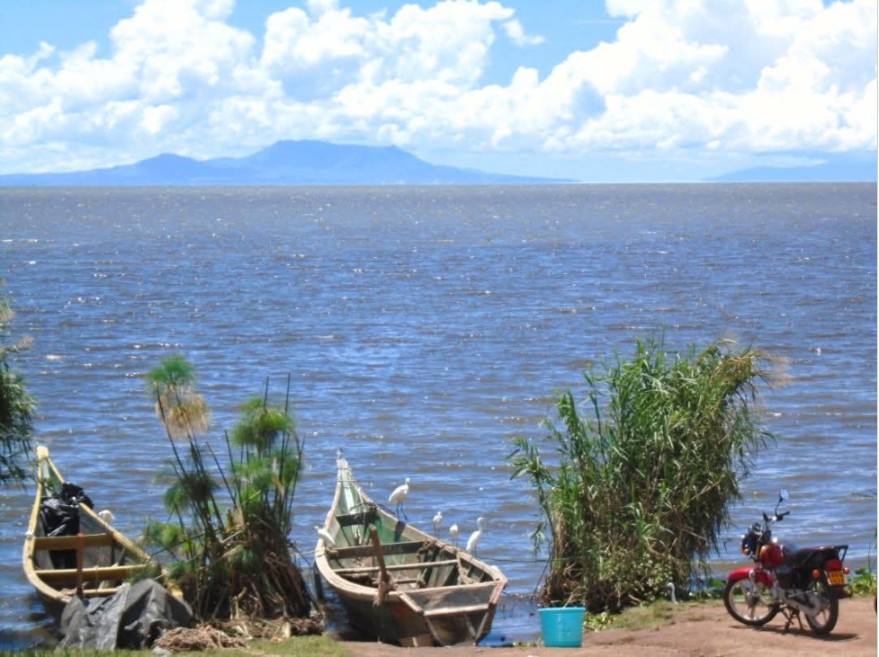
At a fish landing site along Lake Victoria, one fisherman described how rumours about a colleague’s HIV status affected crew dynamics. “People stopped sharing nets with him,” he says. ”They feared infection even though they were told it is not possible.” Eventually, the fisherman left the beach voluntarily.
Health workers say such social exclusion can be as damaging as job loss. Stigma often leads to depression, treatment interruption, migration to new workplaces and economic instability.
Medical research confirms that individuals on consistent antiretroviral therapy can achieve viral suppression and live normal working lives. Health officers emphasize that HIV cannot be transmitted through shared tools, food handling, casual contact and workplace interaction. Yet myths persist, particularly in rural informal sectors where health education access varies.
A Nurse in Ugunja Sub-County Hospital says, “Some employers still associate HIV with weakness or death. That thinking belongs to the past.”
Investigations also revealed gender disparities. Women traders reported losing customers after disclosure or suspected illness.
One market vendor said neighbours warned buyers against purchasing her vegetables after she frequently attended clinic visits. “My business dropped suddenly,” she says. “People talk quietly but the impact is loud.”
Gender experts say women often face moral judgement alongside health stigma worsening economic vulnerability.
Where Enforcement falls short
Kenya’s legal framework protects people living with HIV from workplace discrimination but enforcement mechanisms rarely reach rural communities.
Labour inspections are limited and many workers are unaware of reporting channels. Advocates argue that without localized awareness campaigns and accessible complaint systems, laws remain distant from those most affected.
The Public Health Risk Health experts warn workplace stigma has consequences beyond individual suffering. Fear of discrimination discourages HIV testing, early treatment and open health discussions.
This undermines national HIV response efforts aimed at reducing new infections. “When stigma exists, people hide,” says a public health officer. “And hidden epidemics are harder to control.”
Signs of Change
Some community initiatives are beginnings to challenge stigma through beach dialogues, work place sensitization forums, peer educator programs and youth awareness campaigns.
Community health volunteers report gradual shifts especially among younger populations but still progress remains uneven.
For Ouma, the worker dismissed from the farm, justice feels distant. He now survives through occasional casual labour, careful not to reveal too much about himself. “I am healthy and strong,” he says. “I only want to work like everyone else.”
His experience raises a broader question for Siaya County. If HIV is medically manageable, why does it still determine who gets to earn a living?
Ending the Silence
Experts agree that ending HIV stigma requires more than treatment availability, education and community acceptance. Until both formal and informal workplaces become safe spaces free from discrimination, many workers will continue living productive lives hidden behind silence and the true cost of stigma will remain unseen.
Comments