
We Are Auctioning Our Future: Youth Turn Up Heat on Parliament Over Kenya’s KSh13 Trillion Debt
Kenya’s mounting public debt came under sharp scrutiny on Thursday as youth organisations challenged Parliament to declare the country’s KSh13 trillion debt burden a national emergency and take urgent constitutional action to protect essential public services.
At a high-level breakfast meeting at the Sarova Stanley Hotel in Nairobi, the youth presented Parliament with a constitutional “charge sheet” demanding tighter oversight of government borrowing, protected budget allocations for health and education and automatic suspension of debt repayments during national crises.
The petition was filed under Article 119 of the Constitution, which gives citizens the right to petition Parliament.
The meeting, convened by AIDS Healthcare Foundation (AHF) Kenya and civil society organisations, brought together MPs, youth representatives, civil society leaders and the media under the global Freedom from Debt campaign.
Speaking during the meeting, AHF Kenya Country Director Dr Samuel Kinyanjui warned that kenya is currently squeezed by the country’s fiscal crisis, pointing to young graduates struggling to find jobs and students entering an uncertain economy.
“Kenya is haemorrhaging, not blood, but revenue. And the wound is not accidental. It was designed into the very terms on which this country borrows,” Kinyanjui said.
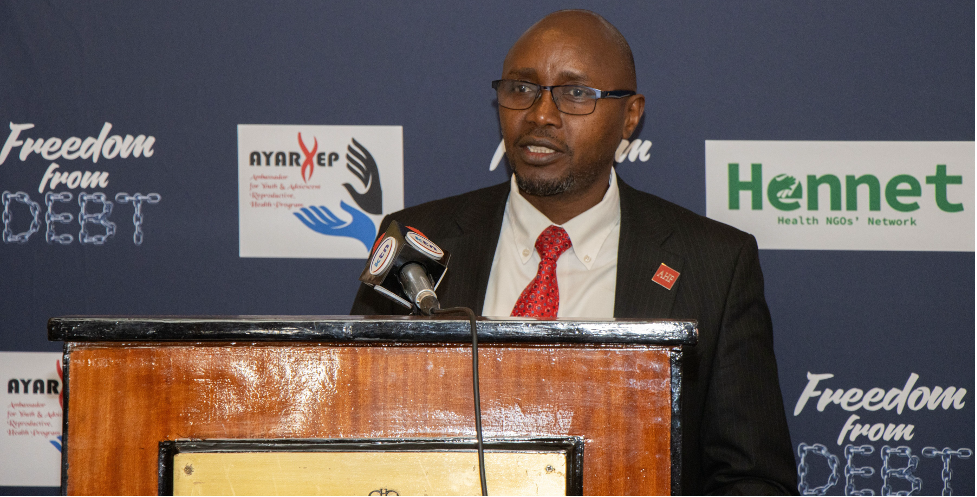
“A country that spends nine times more on creditors than on its own hospitals is not investing in the future. It is auctioning it,” he said.
Edward Miano Munene, Executive Director of the Health Rights Advocacy Forum (HERAF) on his side warned on how parliament is used as a stamping authority after debt decisions have been made and agreements reached.
“Parliament does not ratify debt after it is signed, that is not oversight. It is a rubber stamp,” Munene said.
He called for the National Treasury to publish a binding, time-bound roadmap for bringing Kenya’s debt back within statutory limits and demanded a real-time public debt register that would allow citizens to track who Kenya owes, how much it owes and what the borrowed money was used for.
For young people, however, the debt debate is about more than government balance sheets. It is about jobs, healthcare, education and the opportunities available to the next generation.
Speaking during the meeting, Executive Director of the Ambassador for Youth and Adolescent Reproductive Health Programme (AYARHEP), Jerop Limo said that young people were being left to inherit decisions in which they had little say.
“We are the generation inheriting these decisions, yet we have no formal seat at the table when they are made,” Limo said.
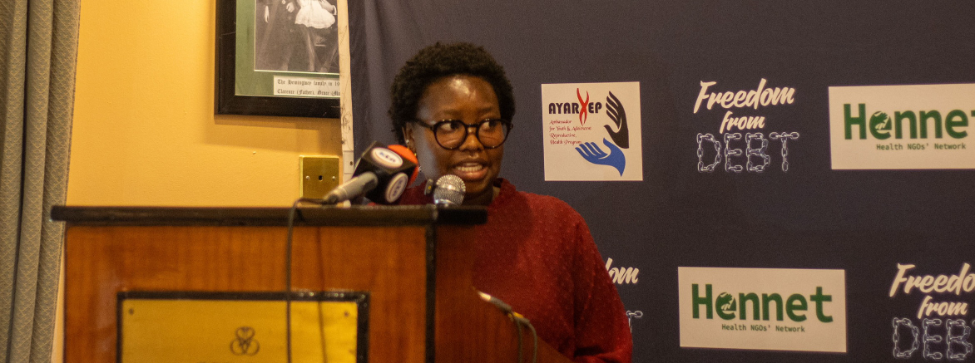
“The youth are not seeking handouts but exercising their constitutional right to demand accountability.” She added
The concerns also found support among MPs attending the meeting as they pointed out tge greater need to confront the debt crisis with greater transparency and discipline.
Kesses MP Hon. CPA Julius Rutto Kipletting warned that continued borrowing to finance government budgets was unsustainable and leaders cannot keep worsening the problem and passing it on to a young generation that will inherit the consequences
“We need credible data showing where we borrowed, where the money went, and whether it funded productive investment or simply expenditure,” Kipletting said.
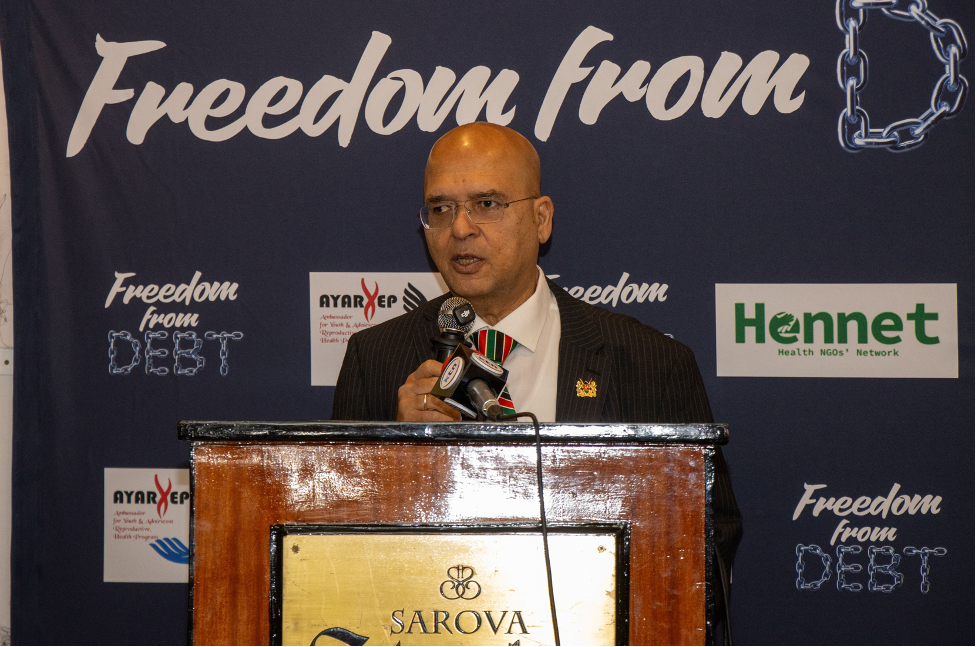
This was echoed by Kisumu East MP Hon. Ahmed Shakeel Shabbir, saying Parliament should be willing to reject loans that do not serve Kenyans.
“If a loan does not serve Kenyans, we must have the courage to reject it. We have stopped a loan before, and we can do it again,” Shabbir said.
The campaign is pushing three major demand including the establishment of a Borrowers’ Forum to strengthen the bargaining power of debtor countries, mandatory, interest-free debt-service pauses during health emergencies and climate disasters and a proposed one per cent AI Solidarity Levy on revenues generated by the global artificial intelligence industry to help finance debt relief and public goods.
Comments