
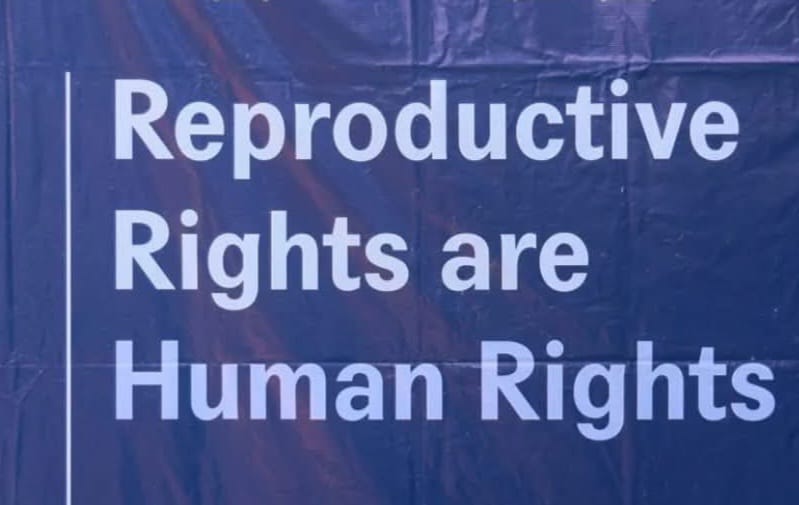
System Failure: Why Kisumu’s Youth Still Struggle to Access Sexual Reproductive Health Services
Despite Kenya’s constitutional guarantee to the right to health under Article 43 and global commitments to Sustainable Development Goal 3, youth in Kisumu County especially girls and young women continue to face barriers to accessing essential Sexual and Reproductive Health (SRH) services.
Although the health sector in Kenya is devolved, the impact of this devolution has not been felt equally. Counties like Kisumu grapple with financial, infrastructural, and systemic challenges in delivering equitable healthcare. SRH services for young people, in particular, remain marginalized.
“There’s a lack of structured youth-friendly services in many public health facilities,”
says Maureen Kemunto, Program Coordinator at Transform Empowerment for Action Initiative (TEAM).
“Even where services exist, young people lack information on how to access them or fear judgment from providers.”
This fear and lack of clarity have had real-world consequences.

In the heart of Manyatta, one of Kisumu's informal settlements, we meet “Diana” (name changed for privacy), a teenage mother who now raises her child alone. Her story began with a simple need, Access to emergency contraception after unprotected sex. But instead of care, she met discomfort, stigma, and systemic neglect.
“I went to a public health facility far from my estate hoping for privacy. But the only practitioners available were older male staff. I didn’t feel comfortable opening up to them,”
she says.
Diana had asked if a younger female provider could assist. None were available. Embarrassed and afraid of being judged, she left without treatment.
“I gave up. I didn’t go to another facility. A few weeks later, I realized I was pregnant.”
A Legislative Fix in the Pipeline?
To address such gaps, Kisumu County Assembly is working on the Sexual and Reproductive Healthcare Bill, 2024.
- Establish clear standards for reproductive health services
- Safeguard the right to confidential and youth-friendly care
- Integrate SRH into broader public health goals
“We’ve supported the bill’s drafting and are working closely with both the Health and Budget committees to ensure it serves public interest,” says Abdalla David, Program Coordinator at NAYA Kenya.
“But laws alone aren’t enough. Implementation is what will make the difference.”
A County Under Pressure to Deliver
In parallel, Kisumu’s health department commissioned a special committee led by consultant obstetrician-gynecologist Dr. Omoto to investigate maternal and perinatal health issues. Their July 2025 report found alarming trends tied directly to poor reproductive health access:
- Increased hypertensive complications in pregnancy
- Cases of severe anemia
- Delays in digital health data use for maternal monitoring
- Gaps in facility-based audit practices
Kisumu CECM for Health, Dr. Gregory Ganda, has pledged that the findings will guide policy reforms and interventions though timelines for action remain vague.

The Political Will
Governor Prof. Peter Anyang’ Nyong’o maintains that the county is committed to improving reproductive health. He highlights the presence of eight health facilities currently offering SRH services, and a collaboration with the national government on youth empowerment programs aimed at SRH and socio-economic development.

“We’ve seen good laws gather dust before,”
warns Maureen Kemunto.
“We don’t need more policy, we need action, providers trained in empathy, and health facilities that feel safe for youth.”
Conclusion: Hope Hinges on More Than Laws
Kisumu County stands at a critical junction. A promising bill, active health reforms, and vocal civil society players show that change is possible. But the voices of young women like Diana remind us that until services are truly accessible, affordable, and non-judgmental, the promises of reproductive rights remain out of reach.
As Kisumu shapes its health future, the real test will not be how well laws are written but how boldly and faithfully they are enforced.
Comments