
Mucuna Farming: A Climate Change Solution Taking Root in Siaya County
In Ngunya Village, Siaya County, Monica Omondi tends to her small farm with a renewed sense of hope. For years, she struggled with declining soil fertility, unpredictable rainfall, and poor harvests all consequences of climate change. But today, thanks to an innovative farming solution introduced by Tembea Organisation in partnership with GIZ, Monica’s story is changing.
The solution? A plant called Mucuna.
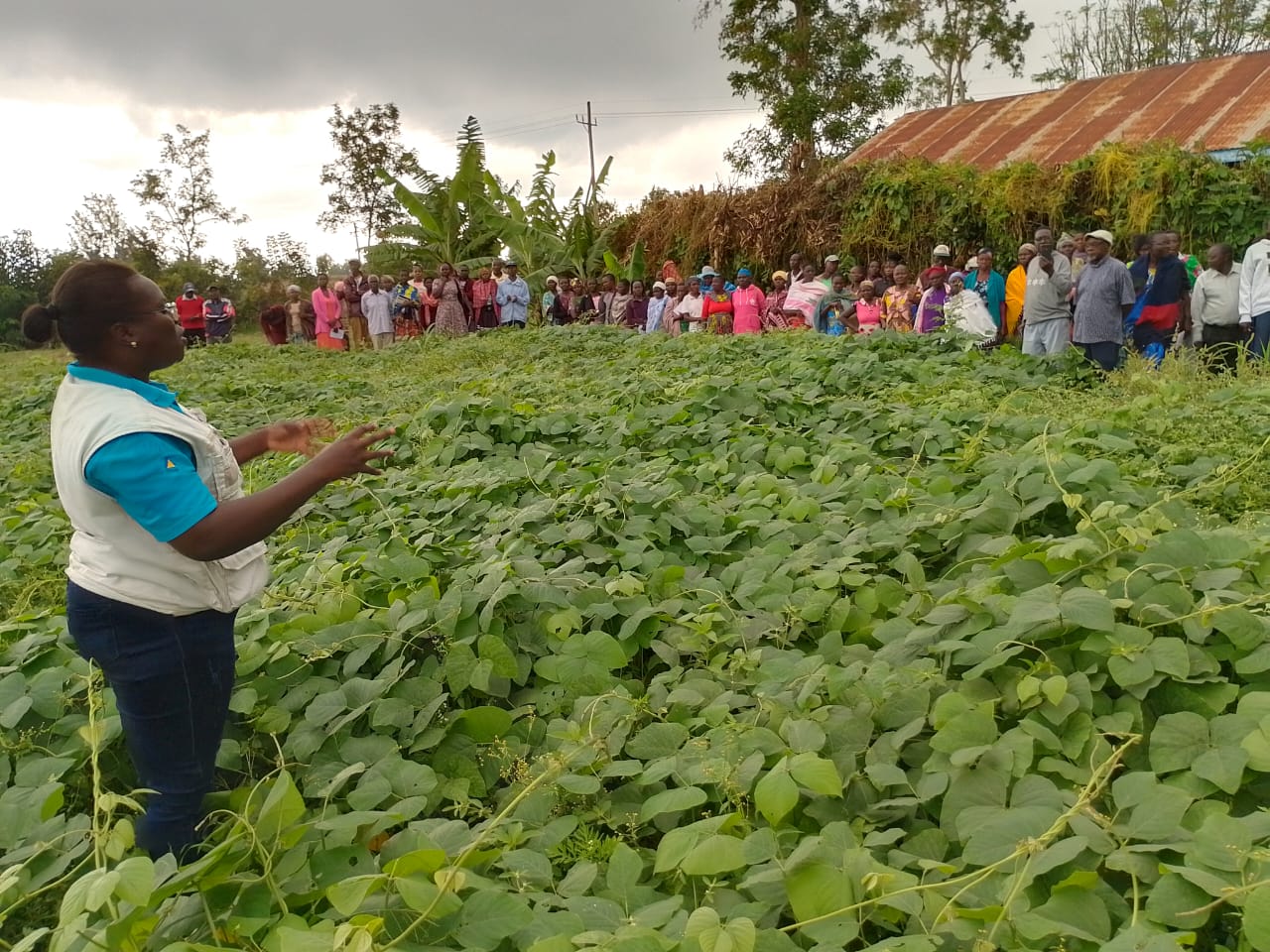
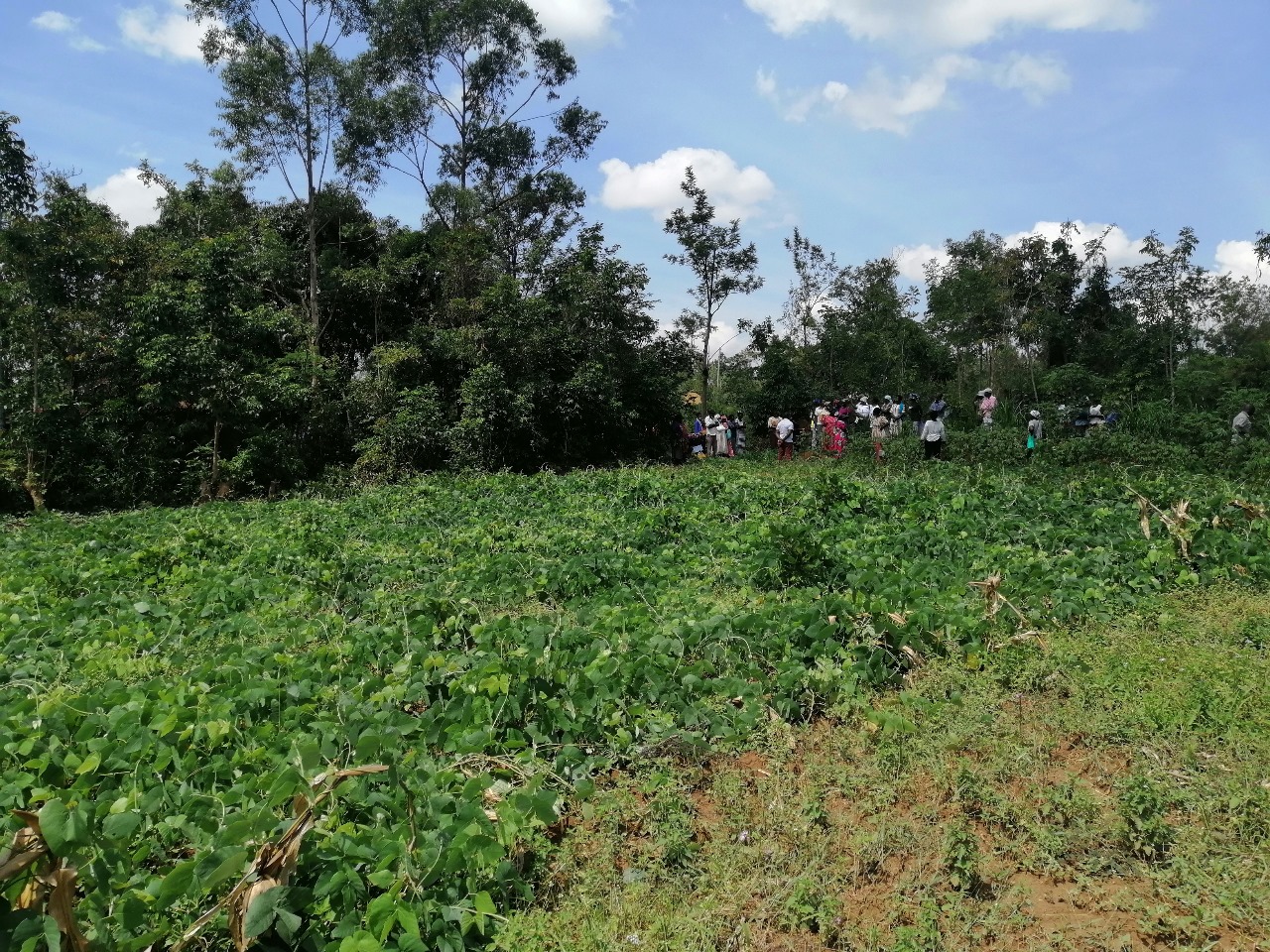
Mucuna, a type of legume, is more than just a crop. It’s a climate change warrior. It grows quickly, covering the ground like a green carpet, preventing soil erosion and adding vital nutrients like nitrogen back into the soil. This natural process reduces the need for chemical fertilizers and restores soil health.
"I used to plant maize and beans, but the yields were poor because the soil had lost its strength,”
Monica shares.
“When Tembea Organisation taught us about Mucuna, I decided to try it. Now, my soil is healthier, and my harvests have improved. I can grow better crops and feed my family."
Tembea Organisation, a community-based group in Siaya County, partnered with GIZ to introduce Mucuna as a way of helping farmers adapt to the effects of climate change. According to Victor Omondi, an expert from Tembea, the goal was simple: give farmers an affordable, sustainable way to protect their land and boost food production.
“We realized that many farmers were struggling with declining soil fertility caused by climate change,”
Victor explains.
“Mucuna not only improves soil health but also reduces the use of chemical fertilizers, which can be expensive and harmful to the environment.”
But the benefits don’t stop there. Mucuna also acts as a cover crop, shielding the soil from direct sunlight and heavy rainfall, which helps prevent erosion, a growing problem in Siaya due to erratic weather patterns.
George Saitoti, the Agricultural Officer for Ugunja Ward, supports the initiative, emphasizing its long-term impact.
“Climate change is already here, and farmers are feeling the effects. Mucuna offers a simple yet effective solution,”
says George.
“It restores soil fertility, improves crop yields, and ultimately contributes to food security in the region.”
For Monica, the change is clear. She no longer worries as much about poor harvests. With healthier soil, she’s growing stronger crops and securing her family’s future.
“As more farmers learn about Mucuna, I believe our community will become more resilient,”
she says with a hopeful smile.
The partnership between Tembea Organisation, GIZ, and local farmers like Monica is a powerful reminder that simple, sustainable solutions can make a big difference in the fight against climate change, one farm at a time.
Comments