
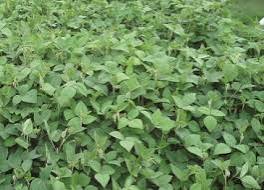
Green shield: Siaya farmer using desmodium to control striga
Striga commonly known as witchweed is a parasitic weed of major cereal crops (such as maize,sorghum,millet,rice and cowpeas) It attaches to the host roots underground siphoning off water and vital nutrient, causing stunted growth and often leading to total crop failure. Yield losses typically range from 20%-100% in the Siaya region. Siaya county is heavily invested in farming particularly low -fertility maize maize yields there often fall from expected 16bags/acre down to less than 8 bags due to striga infestation.
In local Luo, striga is called Kayongo reflecting its widespread familiarity and destructive reputation among farmers in Siaya. Its life cycle and prolific and prolific seed production makes management very difficult as each mature plant can produce tens of thousands of tiny seeds that remain viable in the soil for over 10 to 20 years allowing repeated infestation even after fallow or manual weeding.
In the rolling farmlands of Nyamila Sublocations, Alego Usonga constituency, Siaya county, western Kenya, a quite revolution is underway. For decades small hold farmer, Daniel Omondi Odipo have battled this relentless enemy.
“For Many years in this area Striga has really affected most farmers given the type of soil we have here, its like it favors its growth, every season we plant but don’t get any harvest”
Daniel Says.
He adds that most of the farmers from Nyamila had decided to abandon farming and concentrate on other sources of income as the few who tries to plant tend to give them to their cattle in the end.
Disodium plantation
Daniel’s moment of change came when he was taken through a training by an NGO that enlightened him on ways to use disodium to fight striga and as he took the knowledge gained to the farms, he testifies that indeed there’s been an improvement in his harvest for the past 3 years.
“Before this maximum harvest I could get was one back/acre sometimes as low as 20 tins per acre, but for now there’s an improvement as I do get between 9-10 bags per acre “
He admits.
However, he says that the farms have not reached their full potential in the actual amount of production that can be generated because the use of disodium is not a one-time magic. He says it’s a process that takes time and as time goes with consistency in maintaining disodium in his farms, he’ is sure of more bags.
What experts say
According to experts, desmodium is like a permanent cover crop. A Cover crop basically a plant to cover and enrich soil rather than to harvest. Joshua amollo is a technician at Tembea Future Institute, an NGO that aims at promoting safe farm and environmental friendly activities.

Photo credit; Joshua Amollo of Tembea Future Institute
According to Joshua, he says that Disodium leaves to spread so quick and vast in the farm and this actually can hinder the growth of weeds like striga. “There are many ways we can use to fight striga, like home made manures, but effective one is the planting of disodium.” He speaks.
Amollo says as an organization they have been encouraging farmers to practice safe farming methods like the use disodium as a means of weed control. However, as an expert he tells the farmers that the changes and improvements doesn’t come immediately but after six months.
“Disodium grow fast, may after two months they’ll be grown; however, it takes time for you to start seeing changes in the soil, give it six months from the time of planting”
He says.
“What it does is that it grows and spreads its roots underground, fixes nitrogen this way it makes the soil compatible and fertile. Again, as it leaves falls, they become nutrients to the same soil thus helping it to eradicate striga. “
He says
More Benefits of disodium
Disodium does not just help as a cover crop and fight weeds, there are several benefits that it brings to the soil and to the farmers. A visit to Ministry of agriculture Ugunja sub county office leads us to Emelda Owiti, an agro economics officers who tells us best practices of planting disodium to get the best out of it.
“This Desmodium(Velvet bean) You incorporate it between cereal plants in your farms, can be raw or column. And after two weeks you should start checking on it, ensure that it lies down and not attached to crops to be a cover crop”
Velma tells farmers to ensure that they plant their desmodium when their cereals reach a knee lever due to their fast-growing nature which in turn stops the growth of other plants.
“After harvest don’t remove it, just leave it and when the new season comes, just go ahead and plant, don’t bother farming, that’s another benefit that comes with it”
She says that on top of being a good cover crop, its very economical as it saves famers time and mount that could be spent on cultivation. And again, its seeds are food, can be cooked or sold to other farmers too.
Comments