
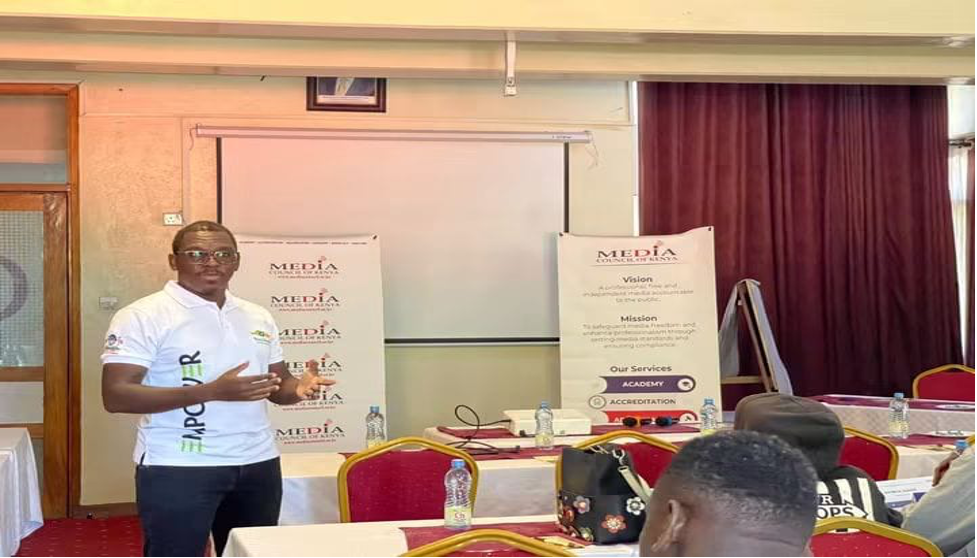
Ethical Mental Health Reporting Takes Centre Stage as Journalists Undergo Specialized Training
Journalists have been urged to embrace ethical, accurate, and compassionate reporting on mental health to help reduce stigma, encourage help-seeking behavior, and promote hope and recovery within communities. The call was made during a one-day training organized by BasicNeeds BasicRights Kenya (BNBR) in partnership with the Media Council of Kenya (MCK) in Kakamega, which brought together nearly 30 journalists from Busia, Kakamega, Siaya, and Kisumu counties.
The training equipped participants with practical skills on responsible mental health reporting, emphasizing the need to move away from sensational headlines, speculation, and unverified information that can reinforce stigma or discourage people from seeking treatment. Instead, journalists were encouraged to tell stories that highlight recovery, resilience, and available support services while adhering to ethical journalism standards.
Speaking during the training, Eugene Wanekeya of BasicNeeds BasicRights Kenya said the media has a powerful influence on public attitudes and perceptions towards mental health. He noted that as Kenya approaches the election period, journalists should ensure that mental health stories are not overshadowed by political reporting. He stressed that mental illness should be treated just like any other health condition and deserves regular, factual, and balanced media coverage.
"We are hoping that through such trainings and partnership with the Media Council of Kenya, we will be able to have more positive news reports around mental health and how to deal with issues around mental health," Wanekeya said.
He added that responsible reporting can help break myths surrounding mental illness, inspire those living with mental health conditions to seek professional care, and contribute to a more informed and supportive society.
Rebecca Mutiso, Managing Press Freedom and Advocacy at the Media Council of Kenya, observed that mental health has often been reported in ways that reinforce fear and stigma, making many people reluctant to seek treatment or openly discuss their struggles. She expressed confidence that journalists can help transform public understanding by reporting mental health stories with accuracy, dignity, and sensitivity. Mutiso also reminded journalists to prioritize their own mental well-being, noting that the nature of their work often exposes them to traumatic events.
"Journalists go to the field every day and experience traumatic events, yet many do not seek the care they need. Continuing to work without addressing mental health challenges can affect their performance, lead to job loss, and even transfer trauma to their families where they are expected to provide peace and love," she said.

Also speaking during the training, Evance Teddy from the Media Council of Kenya challenged media owners to develop structured workplace policies and support systems that promote journalists' mental well-being. He said newsrooms should create an environment where journalists facing mental health challenges can access professional support without fear of discrimination or stigma. According to Teddy, s`afeguarding journalists' mental health is essential to sustaining ethical, quality journalism.
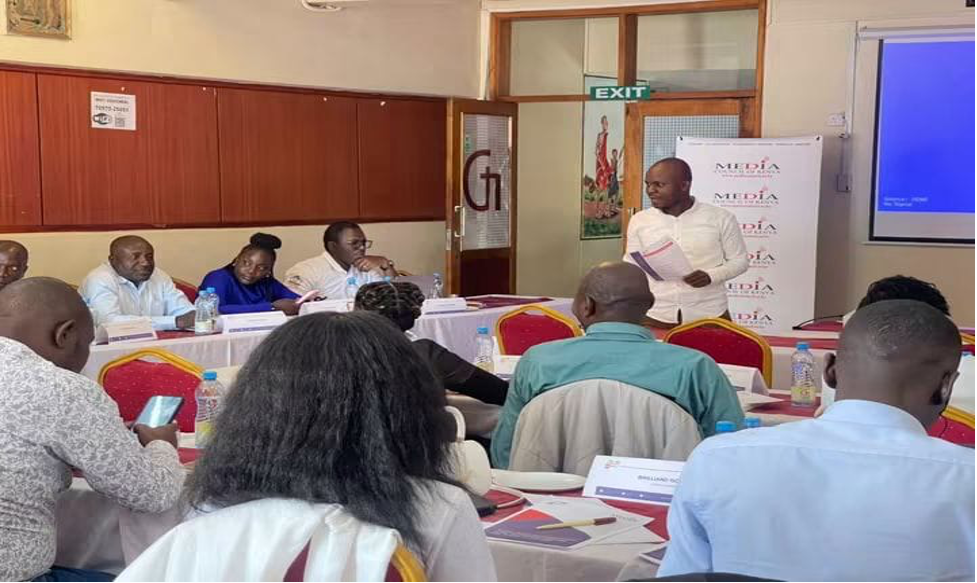
According to Odhiambo, seeking help early not only improves an individual's well-being but also enables journalists to continue serving the public effectively.
One of the participants, Vincent Ogunde, described the training as transformative, saying it had changed the way he views mental health reporting. He said he had learned that the stories journalists produce can either reinforce stigma or become powerful tools for promoting understanding, hope, and recovery.
"I thank the organizers of this training because apart from helping us shape society through responsible reporting, I have also been reminded not to neglect my own mental health. I will also share the knowledge I have gained with my colleagues in the field," Ogunde said.
Participants committed to applying the knowledge gained by producing ethical, evidence-based mental health stories that encourage people experiencing mental health challenges to seek professional support while contributing to a more informed and compassionate society.
The training forms part of ongoing efforts by BasicNeeds BasicRights Kenya and the Media Council of Kenya to strengthen ethical journalism, improve public understanding of mental health, and support journalists in safeguarding both the well-being of the communities they serve and their own mental health.
Comments